- 830 3rd Street South, Suite 101 | Jacksonville Beach, Florida 32250
- (904) 357-0177
- Email Us
- 904.357.0177
- Email Us

At Mindful Motion Massage in Jacksonville Beach, we understand how limited mobility and chronic pain can impact your quality of life. That’s why we’re proud to offer , a specialized form of bodywork designed to restore movement, alleviate pain, and enhance your overall well-being. Unlike traditional massage, which focuses primarily on muscles, myofascial release targets the fascia, the connective tissue network that surrounds and supports your muscles, bones, and organs throughout your entire body.
When fascia becomes tight, restricted, or adhered due to injury, poor posture, inflammation, or repetitive movements, it can lead to significant pain, stiffness, and decreased range of motion. Our skilled therapists use effective manual techniques to release these adhesions and restore proper fascial function, allowing your body to move freely and feel better than you have in years.
Myofascial release jacksonville beach therapy offers remarkable benefits for a wide range of conditions and symptoms. Our Jacksonville Beach clients consistently find relief from chronic back pain and neck tension, fibromyalgia and myofascial pain syndrome, sports injuries and repetitive strain, post-surgical recovery and scar tissue restrictions, carpal tunnel syndrome and other nerve compression issues, tension headaches and migraines, temporomandibular joint disorder, plantar fasciitis, frozen shoulder, and limited range of motion from injury or aging.
This therapy is particularly effective for people who have tried other treatments without success, as it addresses the root cause of pain rather than just treating symptoms. Athletes appreciate myofascial release for improving performance and speeding recovery between training sessions. People recovering from surgery find it helps restore mobility and reduce scar tissue formation.
Those dealing with chronic pain conditions discover that releasing fascial restrictions can significantly decrease their overall pain levels and improve daily function. The therapy also supports better circulation and lymphatic flow, which accelerates healing for existing injuries and reduces inflammation throughout the body. Many clients report feeling lighter, more balanced, and able to move in ways they haven’t been able to in months or even years.
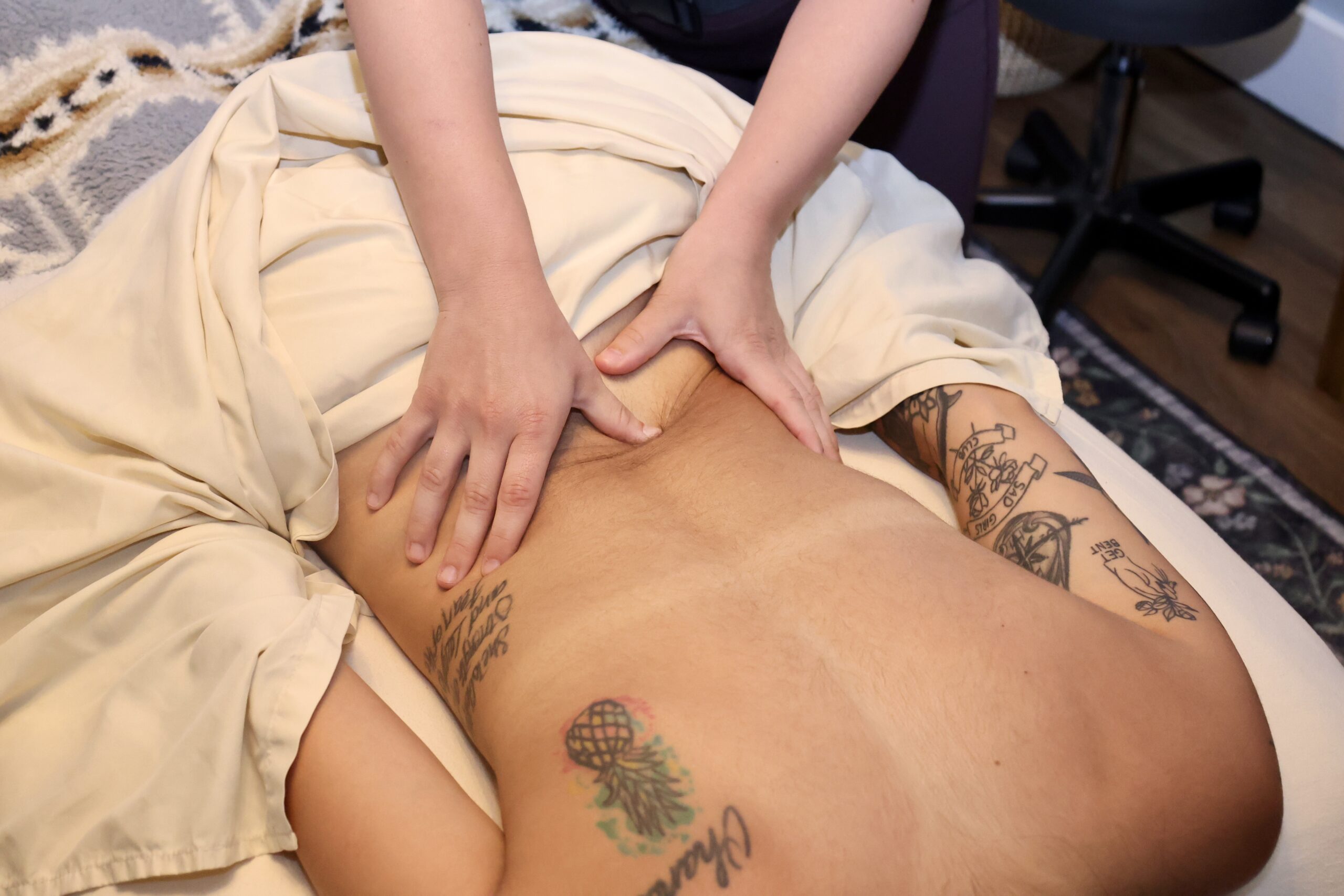
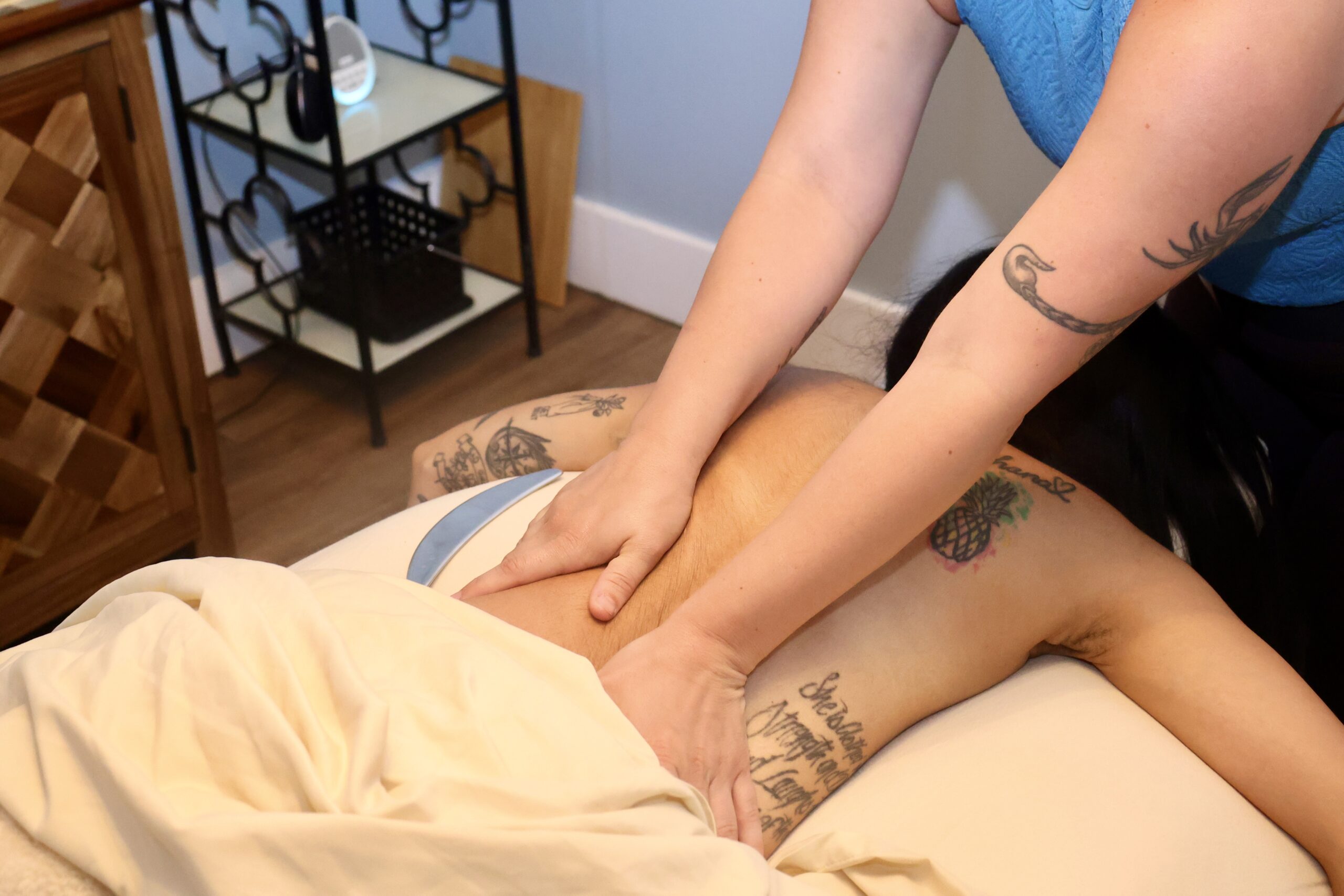
Fascial restrictions in the back and neck are one of the most common causes of persistent pain that does not resolve with rest or conventional treatment. Myofascial release targets the layers of fascia along the spine and surrounding musculature, releasing the tension that pulls the body out of alignment and causes recurring pain cycles.
The plantar fascia along the bottom of the foot can become severely restricted, causing sharp heel pain with every step. Sustained myofascial release to the foot, calf, and lower leg addresses the full chain of restriction rather than just the symptom site.
Surgery creates fascial adhesions and scar tissue that restrict movement and cause referred pain long after the incision heals. Myofascial release breaks down these adhesions and restores normal tissue mobility, supporting full recovery.
Athletes who experience repetitive strain, muscle pulls, or overuse injuries develop fascial restrictions that limit performance and increase re-injury risk. Myofascial release addresses these restrictions directly, improving range of motion and speeding recovery between training sessions.
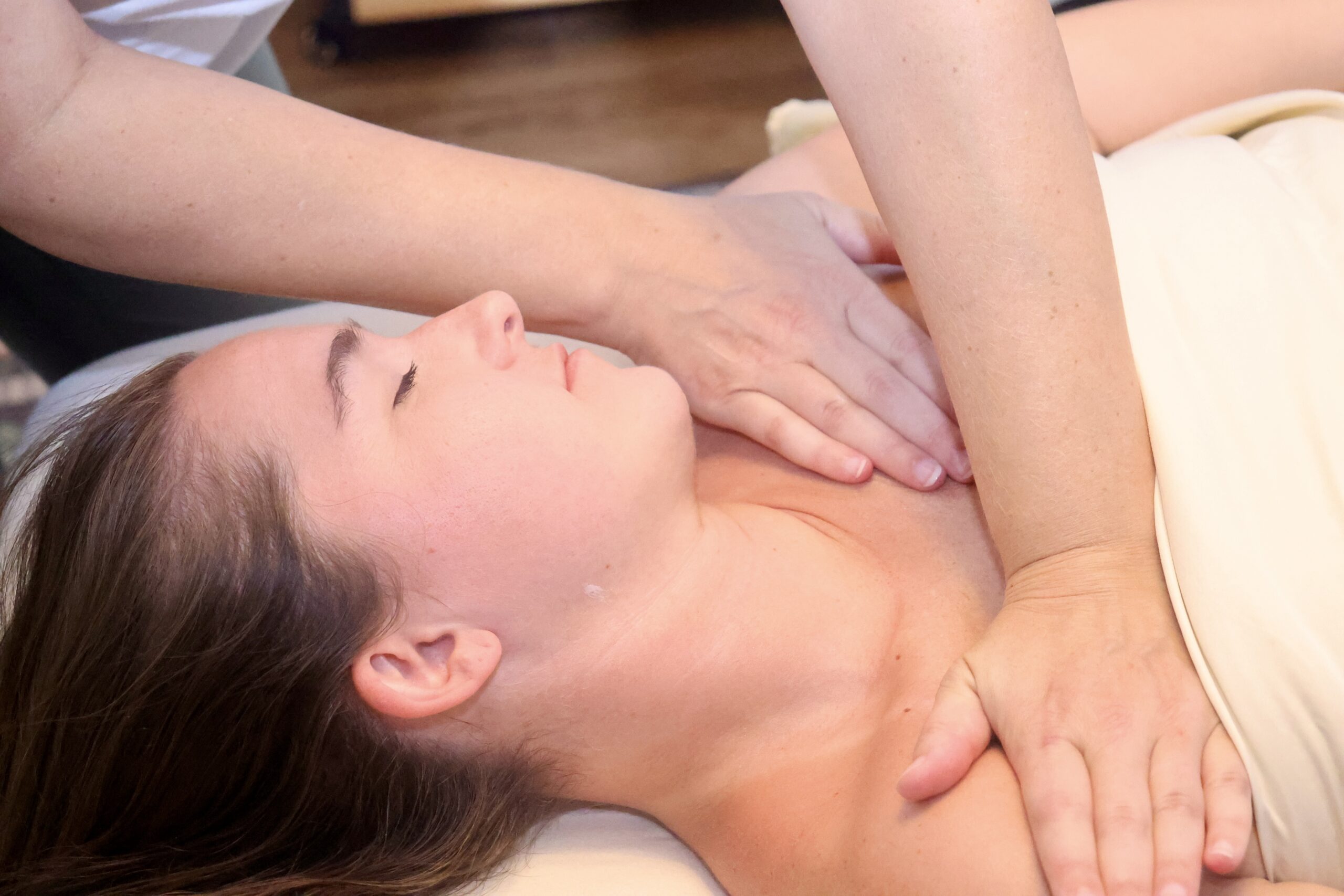
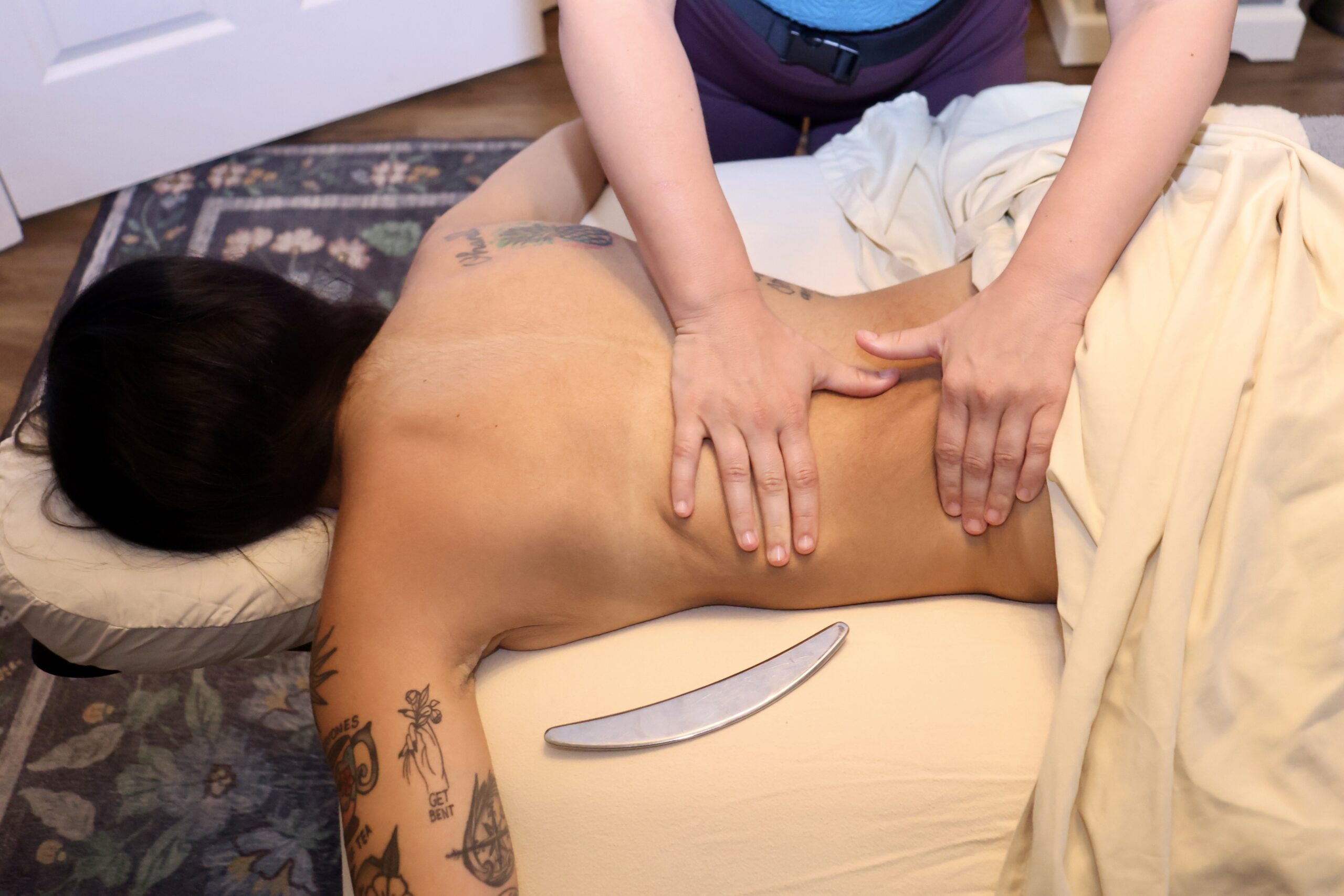
When you schedule a myofascial release session at Mindful Motion Massage, your experience will be highly personalized to address your specific areas of concern and wellness goals. Our experienced therapists begin with a thorough assessment to identify areas of fascial restriction and understand your health history.
Myofascial release is incorporated into our signature free flow massage style, often combined with complementary techniques like deep tissue work, trigger point therapy, and gentle stretching for comprehensive results.
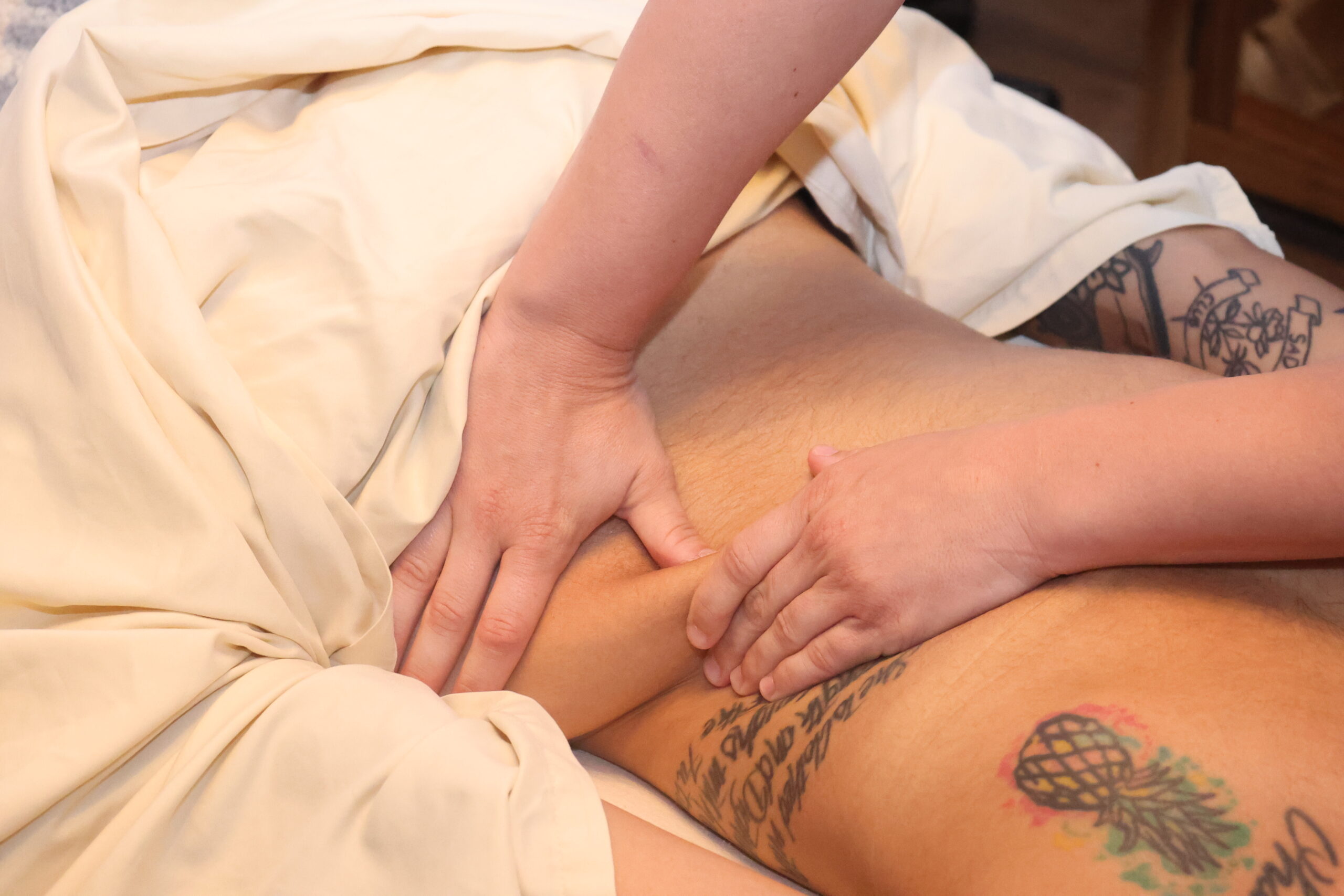
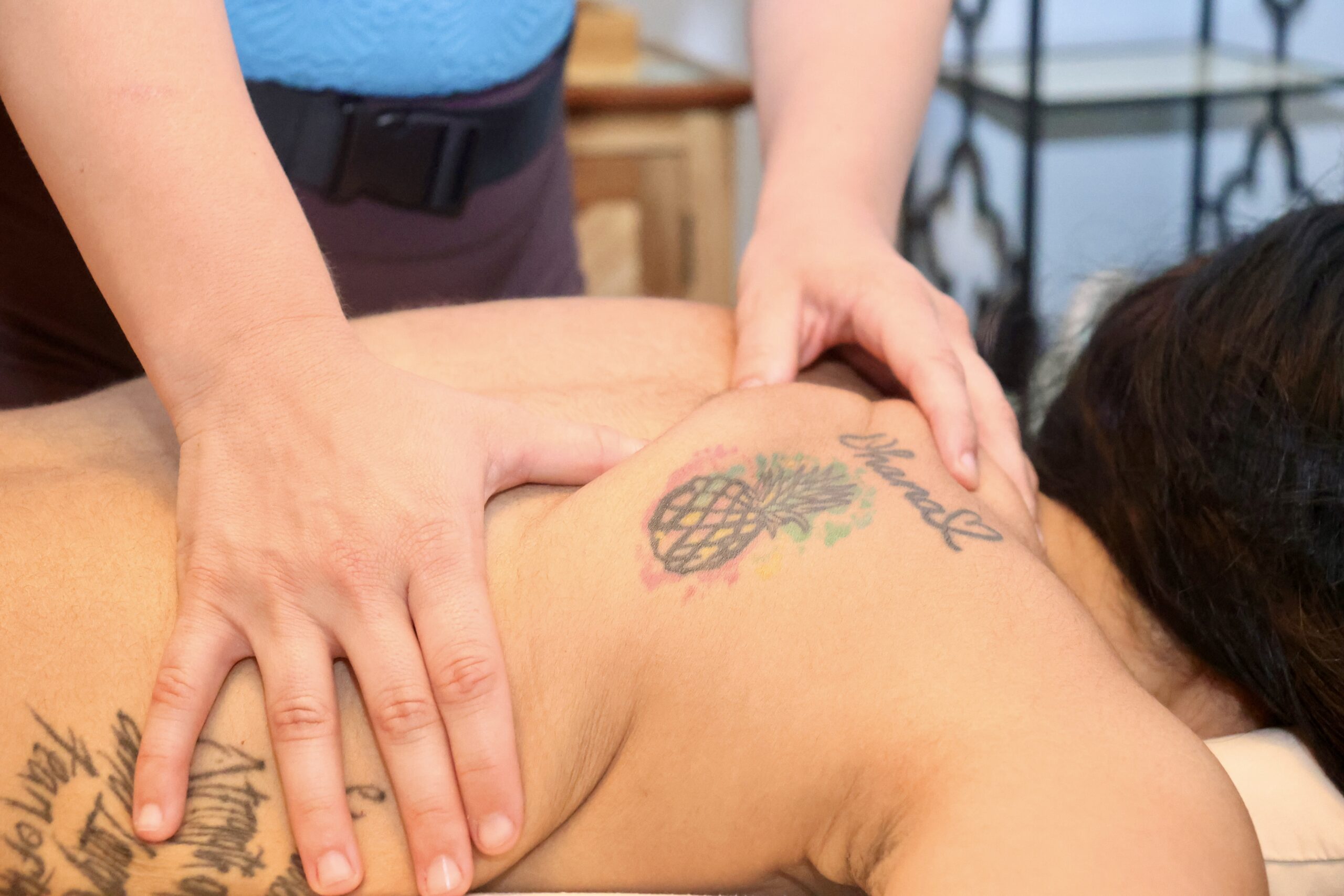
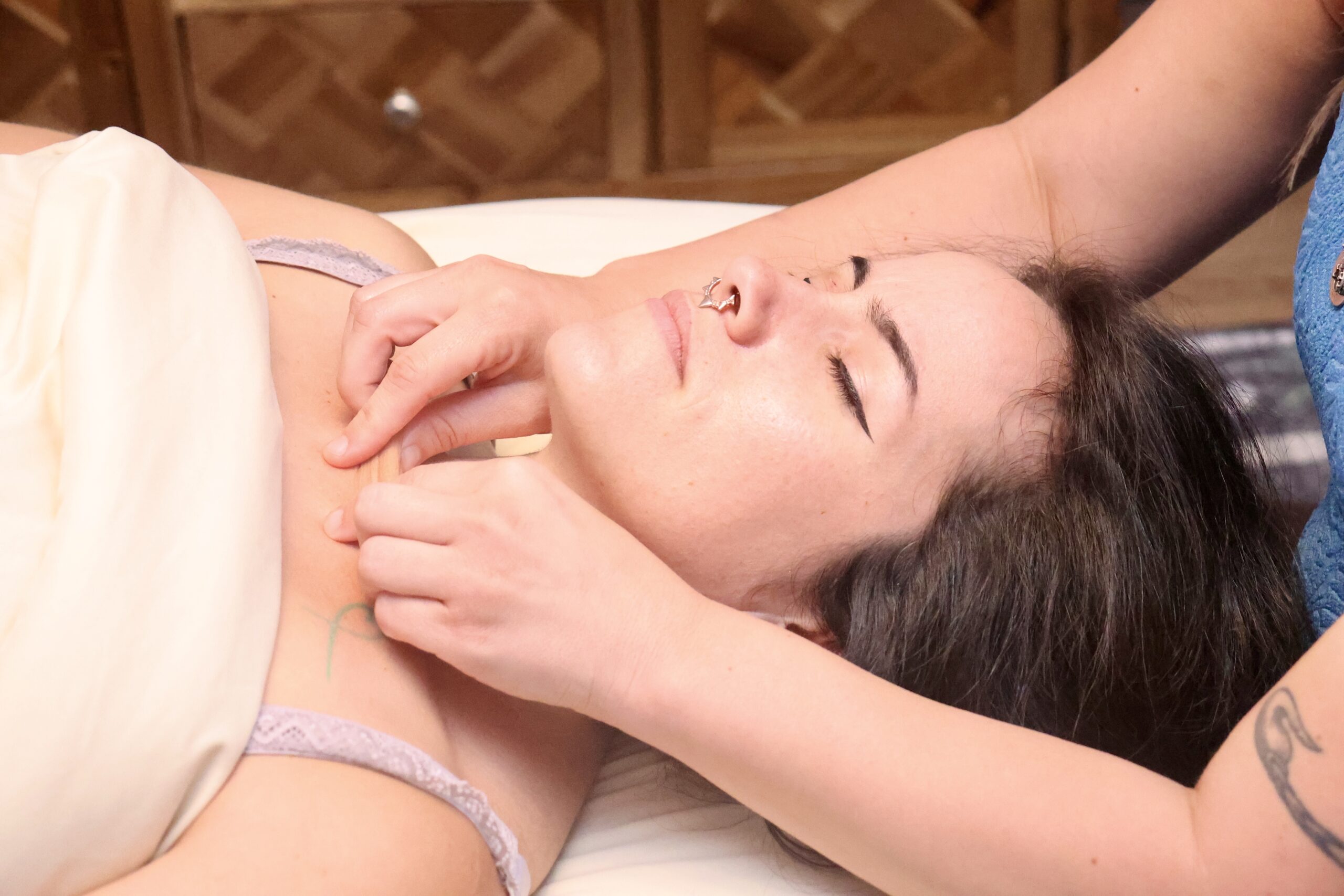
During your session, your therapist will apply sustained pressure directly to your skin without oils or lotions, as this allows them to properly feel and engage with the fascial tissue. You’ll feel a gentle stretching sensation as the fascia begins to release, which most clients find therapeutic rather than painful. The therapist will hold pressure on restricted areas for several minutes, waiting patiently for the tissue to soften and lengthen before moving to the next area. Some people experience emotional releases during myofascial work, as the fascia can hold tension from past traumas or stress. This is completely normal and part of the healing process.
After your session, you may feel some soreness similar to the feeling after a good workout, but this typically resolves within a day or two. Most importantly, you’ll notice improved mobility, reduced pain, and a greater sense of ease in your body that continues to improve with consistent treatment.
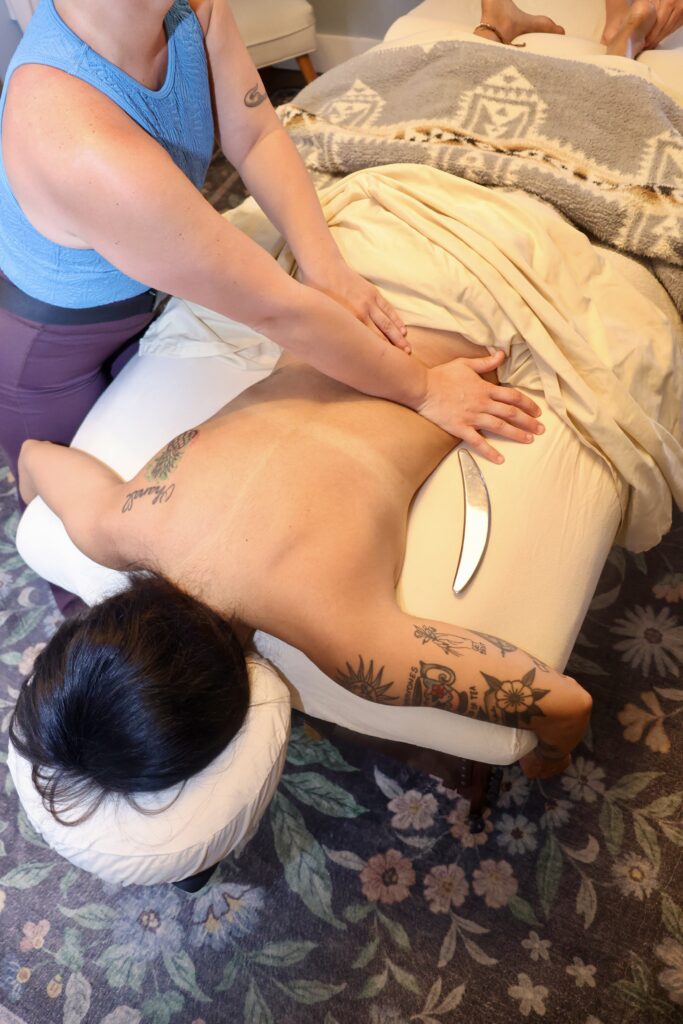
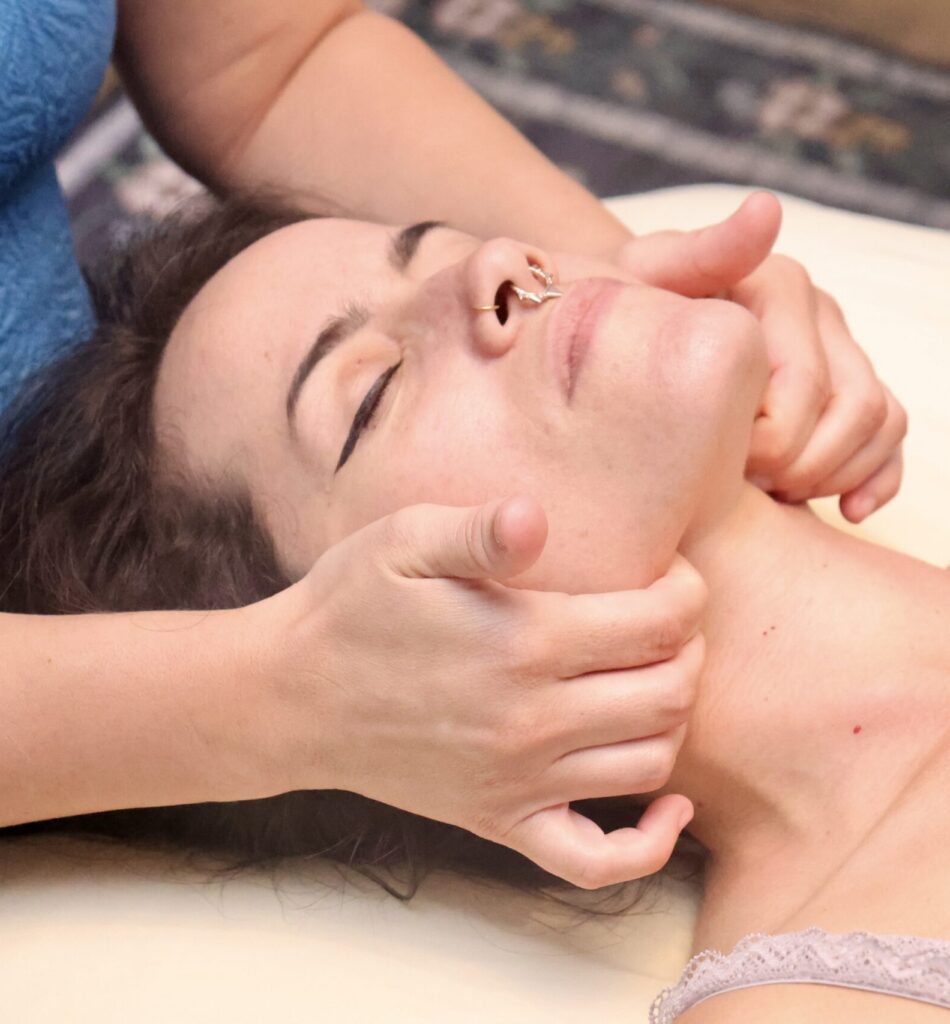
Fascia is a thin but remarkably strong connective tissue that forms a continuous web throughout your entire body. Think of it as a three-dimensional network that wraps around every muscle, bone, nerve, and organ, providing structure and support while allowing fluid movement.
In a healthy state, fascia is relaxed and soft, and it can stretch and move without restriction. However, when you experience physical trauma like falls or car accidents, develop inflammation from conditions like arthritis or plantar fasciitis, undergo surgery that creates scar tissue, maintain poor posture over time, or perform repetitive movements, your fascia can become tight, hardened, and restricted.
These restrictions don’t just affect the immediate area but can create tension patterns throughout your body because of how interconnected the fascial system is.
During myofascial release therapy at Mindful Motion, our therapists apply slow, sustained pressure and stretching techniques to specific areas of restriction. This gentle yet effective approach helps lengthen and soften the fascial tissue, breaking up adhesions and allowing the layers of fascia to glide smoothly over one another again. The pressure is held for extended periods, giving the tissue time to respond and release, which is fundamentally different from the quicker strokes used in traditional massage.
Frequently Asked Questions
While traditional massage focuses on working the muscles themselves using techniques like kneading and stroking, myofascial release specifically targets the fascia, the connective tissue surrounding your muscles. The techniques are different too. Myofascial release uses sustained, gentle pressure held for extended periods to allow the fascia to slowly release and lengthen, whereas massage typically uses flowing movements and varied pressure. At Mindful Motion, we often combine both approaches in a single session to give you comprehensive benefits. Myofascial release addresses the deeper structural restrictions that can be the underlying cause of chronic pain, while massage provides immediate muscle relaxation and stress relief.
All appointments at Mindful Motion Massage are scheduled by phone at (904) 357-0177. When calling to book, simply let us know you’re interested in myofascial release therapy. This technique is incorporated into our regular massage sessions and can be applied to specific problem areas or used throughout your treatment based on your needs. New clients will have a phone consultation before their first visit, which is the perfect opportunity to discuss your concerns and determine if myofascial release is right for you. You can also request this technique during any massage session, even if you didn’t mention it when initially booking.
Myofascial release is effective for chronic back and neck pain, fibromyalgia, plantar fasciitis, carpal tunnel syndrome, TMJ dysfunction, tension headaches, migraines, frozen shoulder, sports injuries, and post-surgical scar tissue restrictions. It is also commonly used for posture correction and recovery from repetitive strain. If you have been dealing with pain that has not responded to other treatments, myofascial release is often the missing piece.
The number of sessions needed varies based on the severity and duration of your condition, how your body responds to treatment, and your overall health and wellness goals. Some people experience significant relief after just one or two sessions, while chronic conditions that have developed over years may require consistent treatment over several weeks or months. At Mindful Motion, we work closely with you to develop a customized treatment plan. Many clients start with weekly sessions for four to six weeks, then transition to maintenance sessions every two to four weeks. Your therapist will assess your progress and adjust the treatment plan as needed to help you achieve lasting results.
Myofascial release should not be excruciating, though you will feel intense sensations as restricted tissue releases. Many people describe it as a good hurt or therapeutic discomfort rather than sharp pain. The pressure is applied slowly and sustainably, giving your body time to respond and release naturally. Our therapists maintain constant communication throughout your session and will adjust pressure based on your feedback. Some areas may be more sensitive than others, especially if you have significant restrictions or trigger points. After treatment, you might feel sore for a day or two, similar to how you feel after exercise, but this typically gives way to improved mobility and reduced pain.
Our Reviews
Real Results, Genuine Healing
Treatment sessions are by appointment only and we only schedule appointments by phone. New clients, we require a phone consultation prior to scheduling your first visit.

Opening Hours:
Monday- Friday: 9am – 7pm
Saturday – Sunday 9am: – 6pm
Phone: (904) 357-0177
Email: admin@mindfulmotionjax.com
Florida Massage Establishment No. MM 36925
830 3rd Street South Suite 101
Jacksonville Beach, Florida 32250